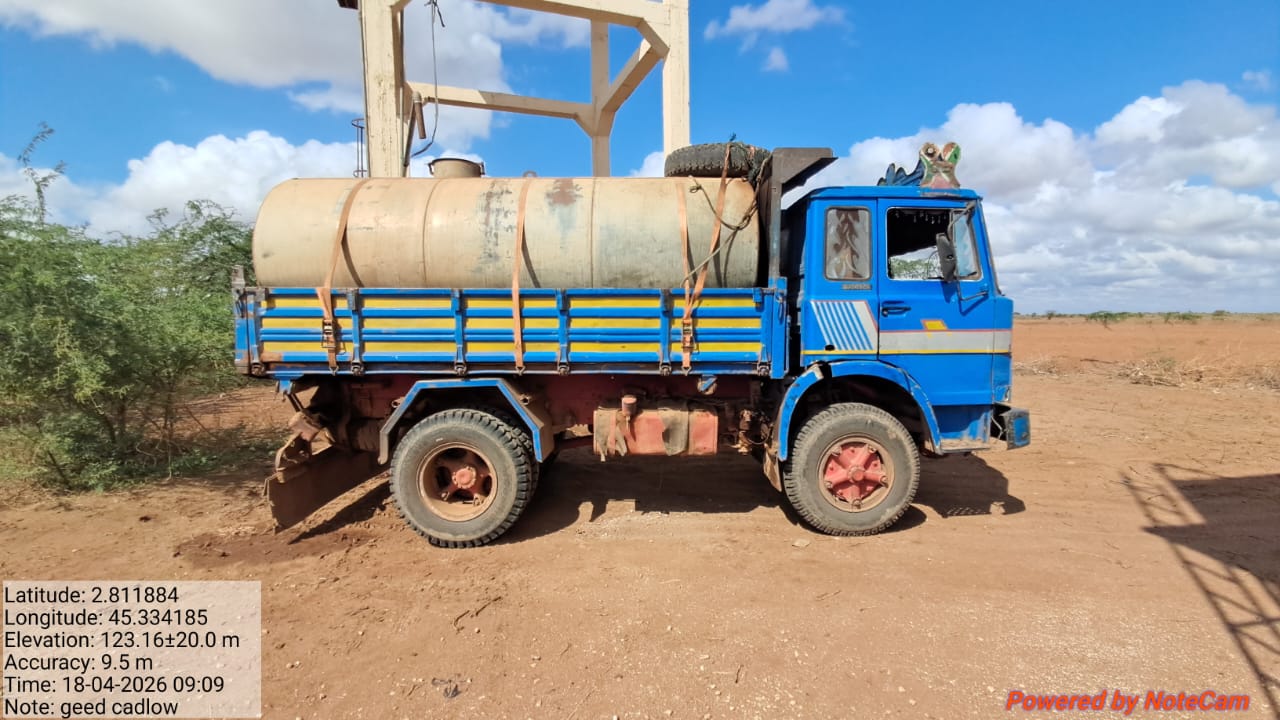
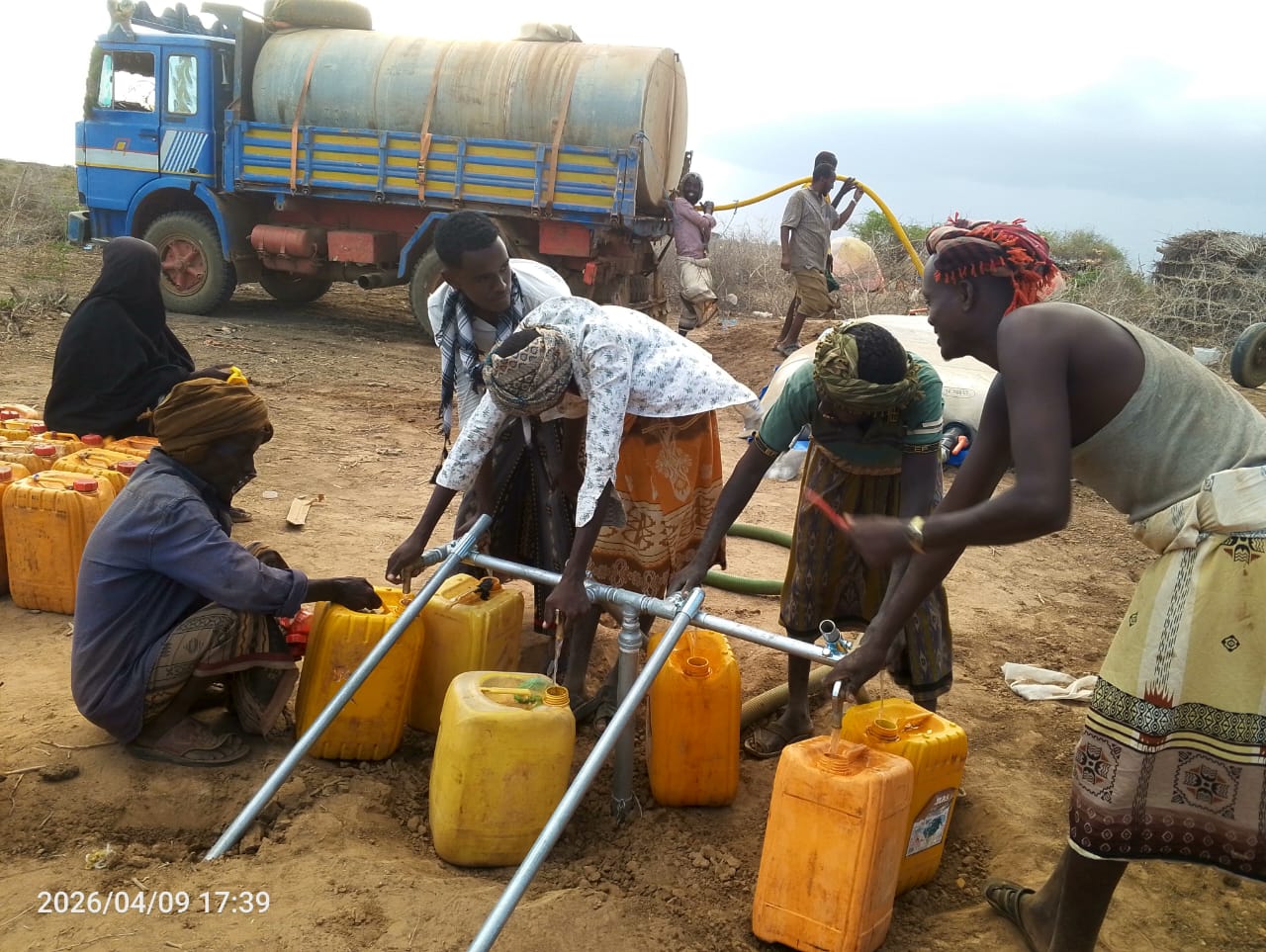
In response to severe climate shocks, prolonged dry spells, and consecutive failed rainy seasons that have depleted traditional water sources, Mustaqbal Development and Relief Organization (MUDRO), in a joint collaborative partnership with Médecins Sans Frontières (MSF), has successfully concluded its comprehensive 45-day Emergency Water Trucking Intervention in the Middle Shabelle region of Somalia. Implemented between March and May 2026, the operation delivered immediate, life-saving WASH relief to thousands of vulnerable pastoralists and internally displaced persons (IDPs) facing acute, life threatening water scarcity. The severe absence of seasonal rainfall across Middle Shabelle had left shallow wells dry and local water pans completely empty, triggering sharp spikes in commercial water prices.
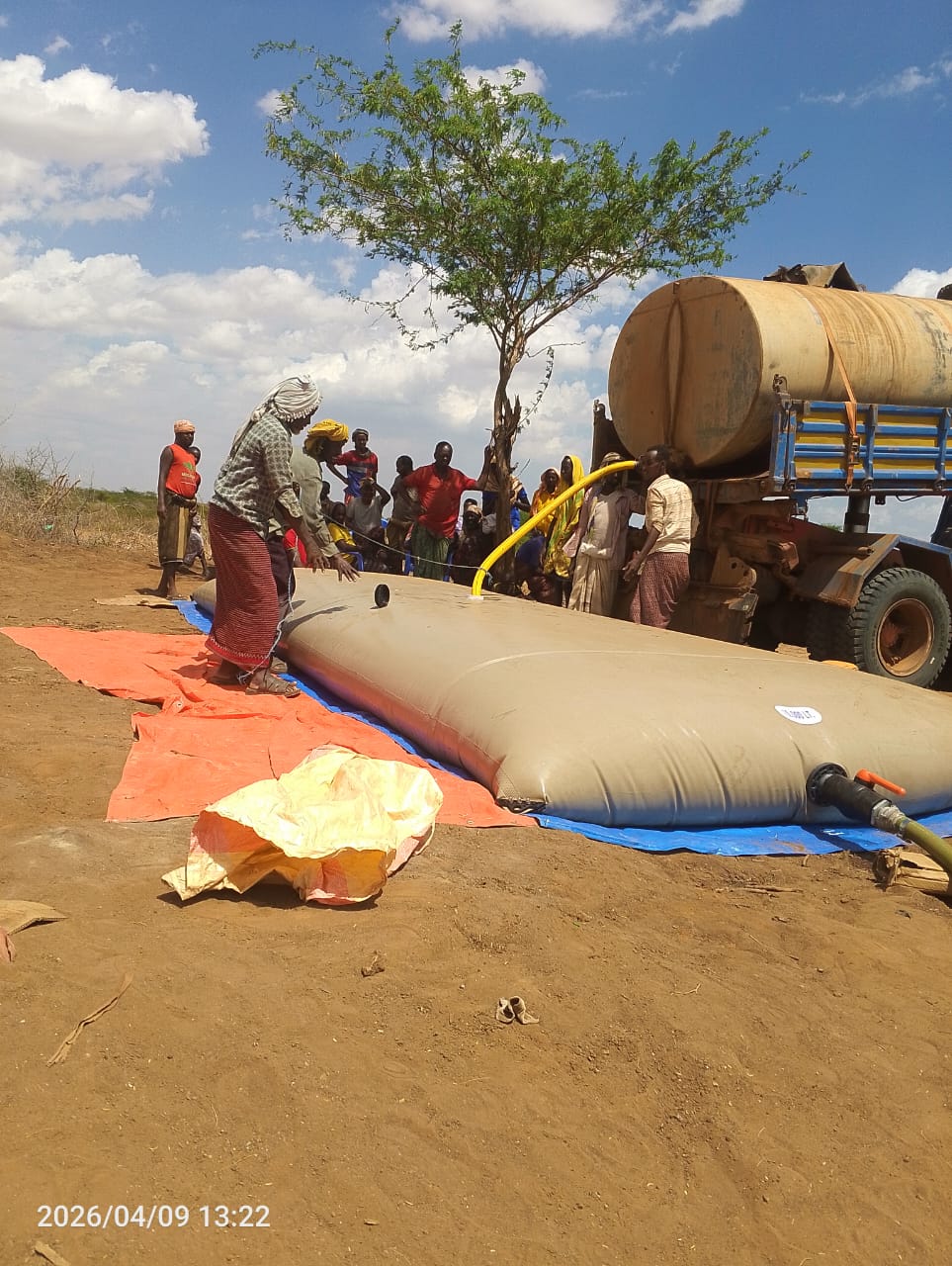
This forced women and children to trek grueling, unsafe distances in search of water that was often highly contaminated. To counter this impending humanitarian and health crisis, MUDRO and MSF deployed a rapid emergency logistical network utilizing more than four specialized water trucks running strict daily rotational routes. To establish secure, hygienic distribution points directly within the target locations, the joint team procured and strategically installed 12 heavy duty, 10,000-litre storage bladders equipped with safe distribution taps and protective plastic ground sheets. Over the 45-day operational period, the intervention successfully delivered a total of 2,624,400 liters of safe, chlorinated drinking water maintaining a consistent daily average of 58,320 liters.
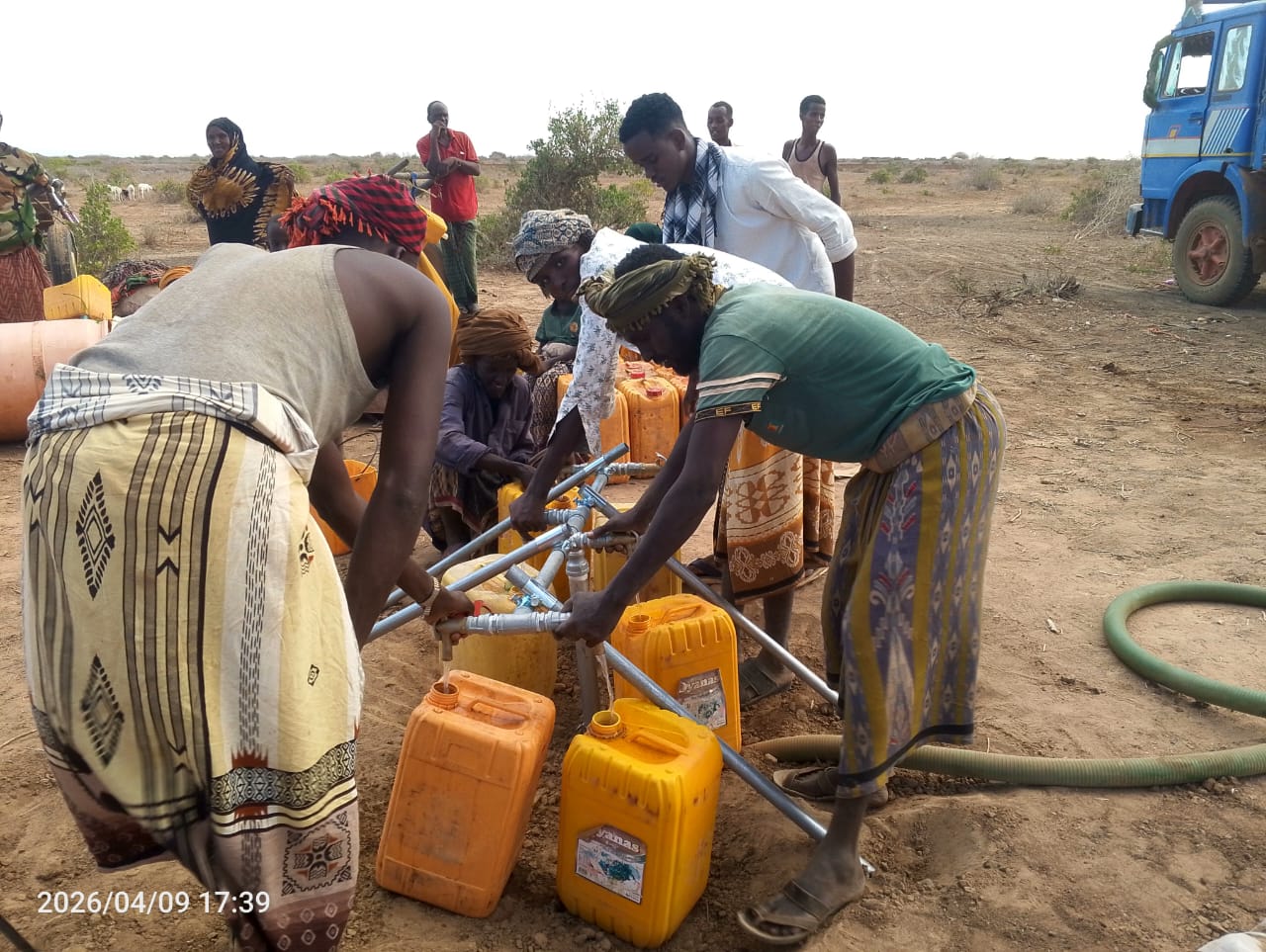
This reliable supply directly supported 540 highly vulnerable households, reaching 3,240 individuals across 13 heavily affected villages. By integrating systematic water quality assurance protocols, including routine free residual chlorine (FRC) testing at both source and delivery points, the project successfully stabilized regional health risks, effectively preventing outbreaks of acute watery diarrhea (AWD) and waterborne illnesses. Throughout the project cycle, MUDRO and MSF prioritized Accountability to Affected Persons (AAP). Community water committees composed equally of women and men were formed to lead localized distribution, while a transparent community feedback and response mechanism (CFRM) ensured that specific protection and gender-sensitive needs were met safely. Post-distribution monitoring and closing evaluations revealed that bringing safe water points directly into the villages minimized protection risks for traveling women, relieved heavy household economic burdens, and successfully warded off the threat of secondary mass displacement for pastoralist communities.
This vital milestone was achieved through the collaborative efforts of local authorities, regional cluster coordinators, and community elders who worked hand in hand with our dedicated field teams. MUDRO and MSF extend their deepest gratitude to our generous donors, international partners, and the community members of Middle Shabelle, whose unwavering cooperation and resilience made this emergency response possible. While this short-term intervention successfully addressed immediate survival needs, the recurring nature of climate shocks highlights an urgent need for sustainable transitions. MUDRO remains firmly committed to advocating for increased investment in long-term solar-powered systems, borehole rehabilitation, and permanent WASH infrastructure to build lasting climate resilience across Somalia.